Infrastructure
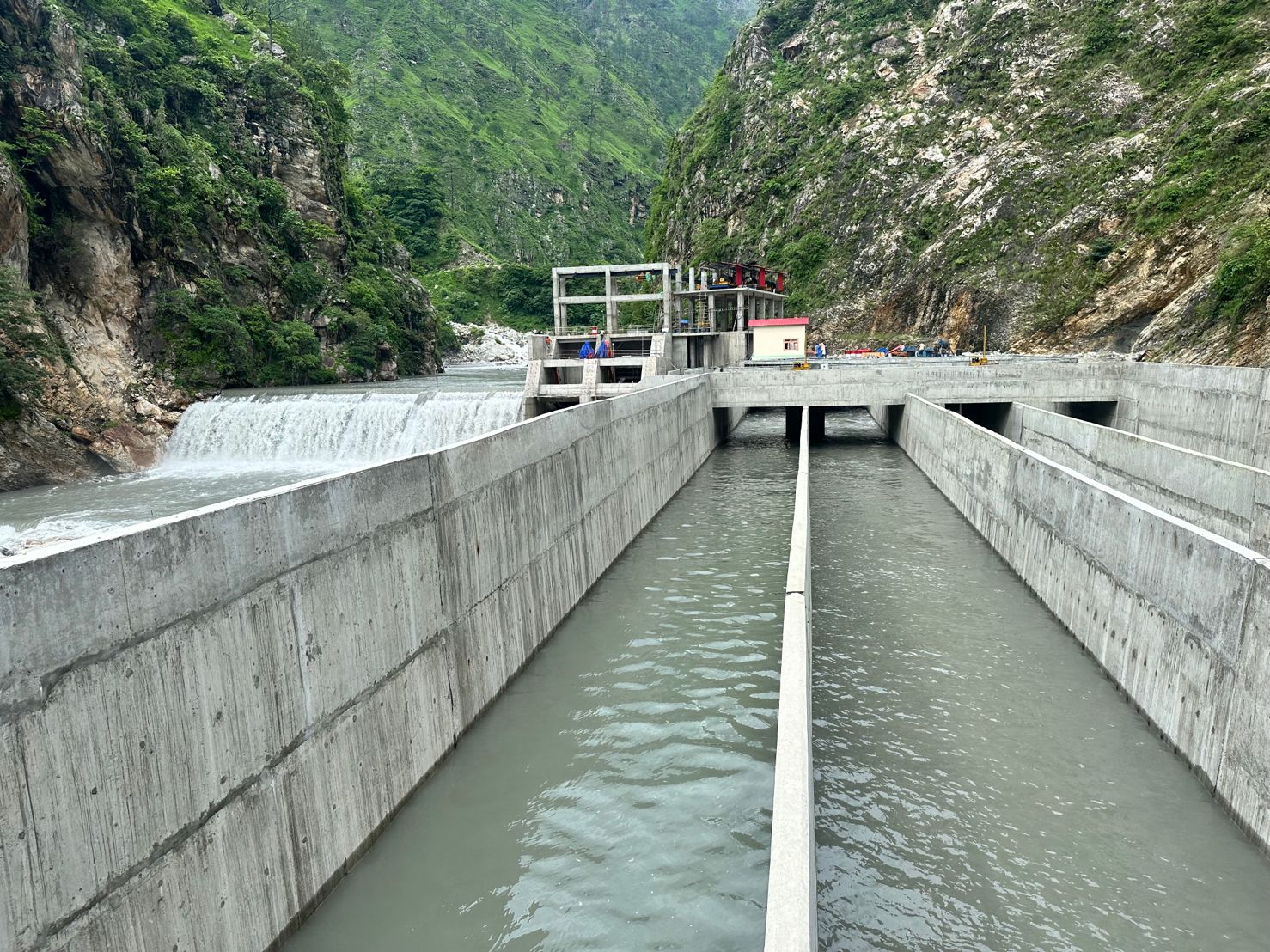
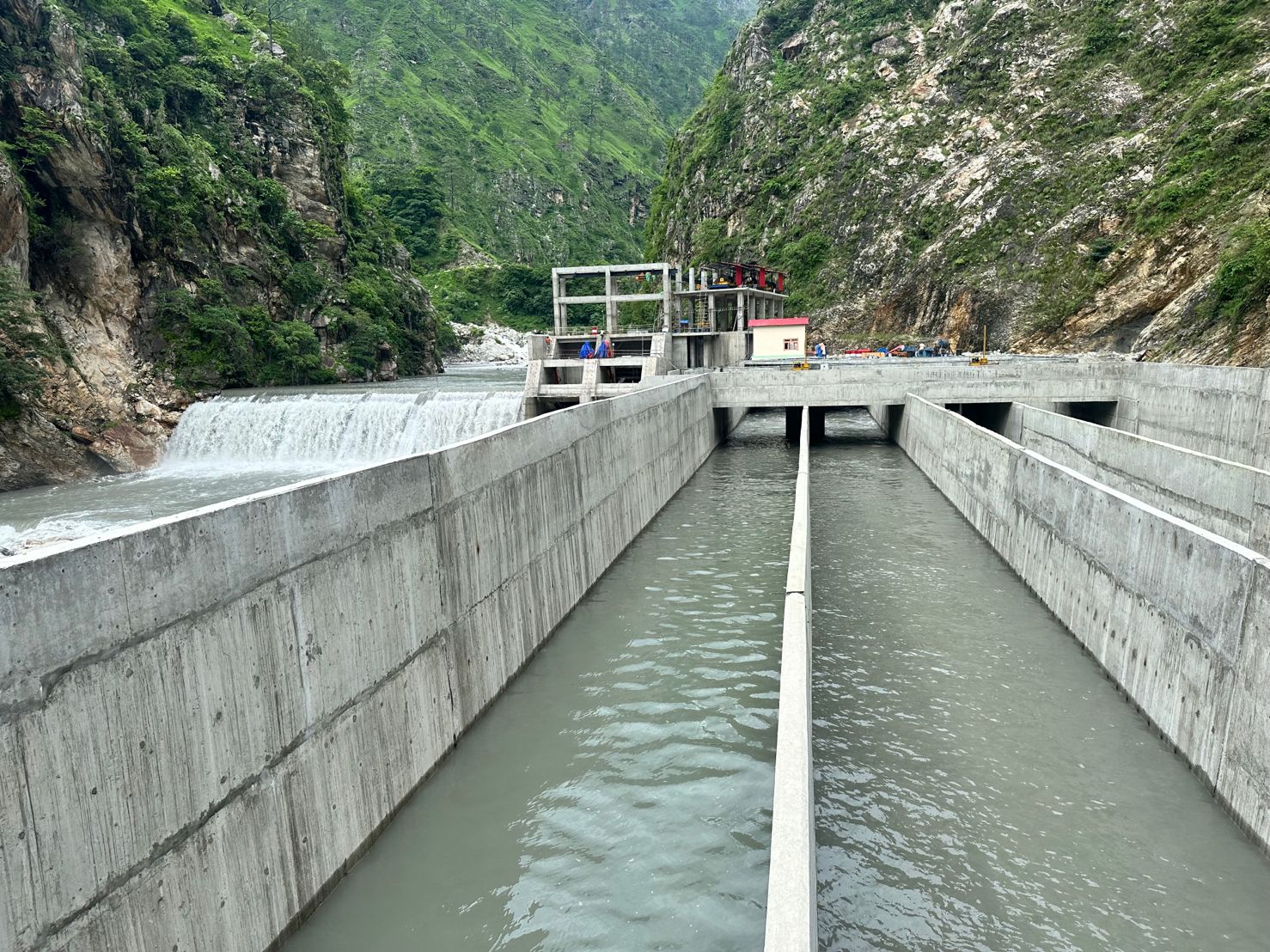
A hydropower project is a system that generates electricity by using the energy of flowing or falling water, usually from rivers or dams. Water is directed through turbines, which spin and drive generators to produce power, making it a clean and renewable source of energy.
In terms of description, a typical hydropower project includes a dam or diversion structure, a reservoir to store water, turbines, generators, and transmission systems. The flowing water creates mechanical energy in the turbines, which is then converted into electrical energy.
Value: NPR 1600000000 28.304 MW hydropower plant construction in Darchula district
Value: NPR 282454129
5 star hotel construction in Dhangadi
Value: NPR 17543978
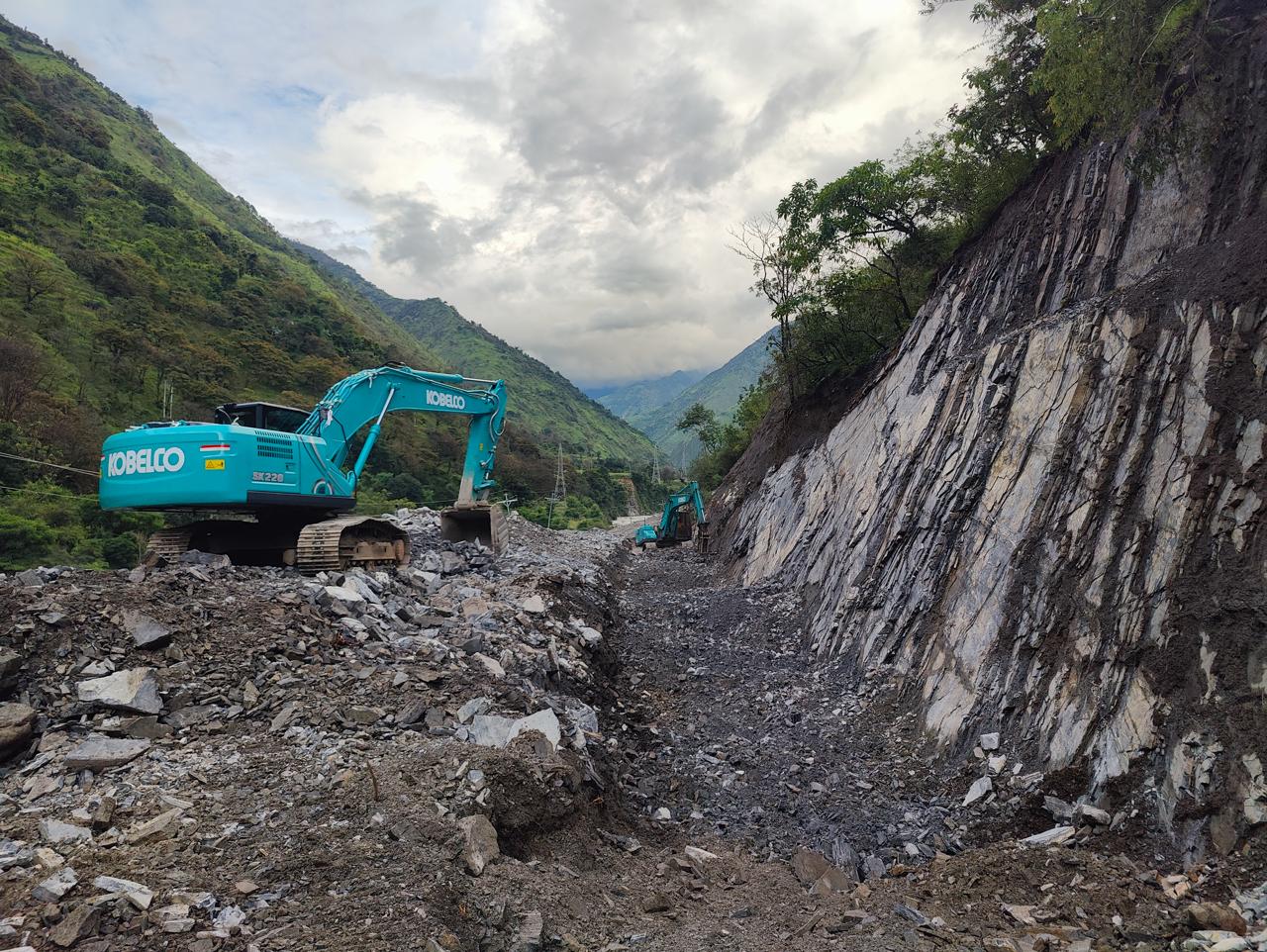
Road construction and upgrading in Darchula district
Value: NPR 2500000000
Commercial complex construction in Balkhu
Value: NPR 226969239
50-bed hospital construction in Baitadi
Value: NPR 719855878
The Jurimba Khola Small Hydropower Project is a 7.63 MW
Value: NPR 2600000000
The Upper Chameliya Hydropower Project is a 40 MW hydropower project
Value: NPR 113081385
The Satbajh–Shreebhawar–Hat–Darchula road (Satbajh → Shreebhawar section)
Value: NPR 1000000000
The resort is located in Siyari-05, Rupandehi (Dayanagar), Lumbini Province, Nepal.
Value: NPR 1000000
Value: NPR 10000000
Value: NPR 132165
Value: NPR 25000000
asdfasfd
The main benefits of hydropower projects are that they produce renewable and environmentally friendly energy with low operating costs. They are highly reliable, can supply large amounts of electricity, and also help in flood control, irrigation, and water supply, making them important for overall development.
Interested in developing a hydropower project with us? Let’s collaborate to power Nepal’s future.
Contact Us